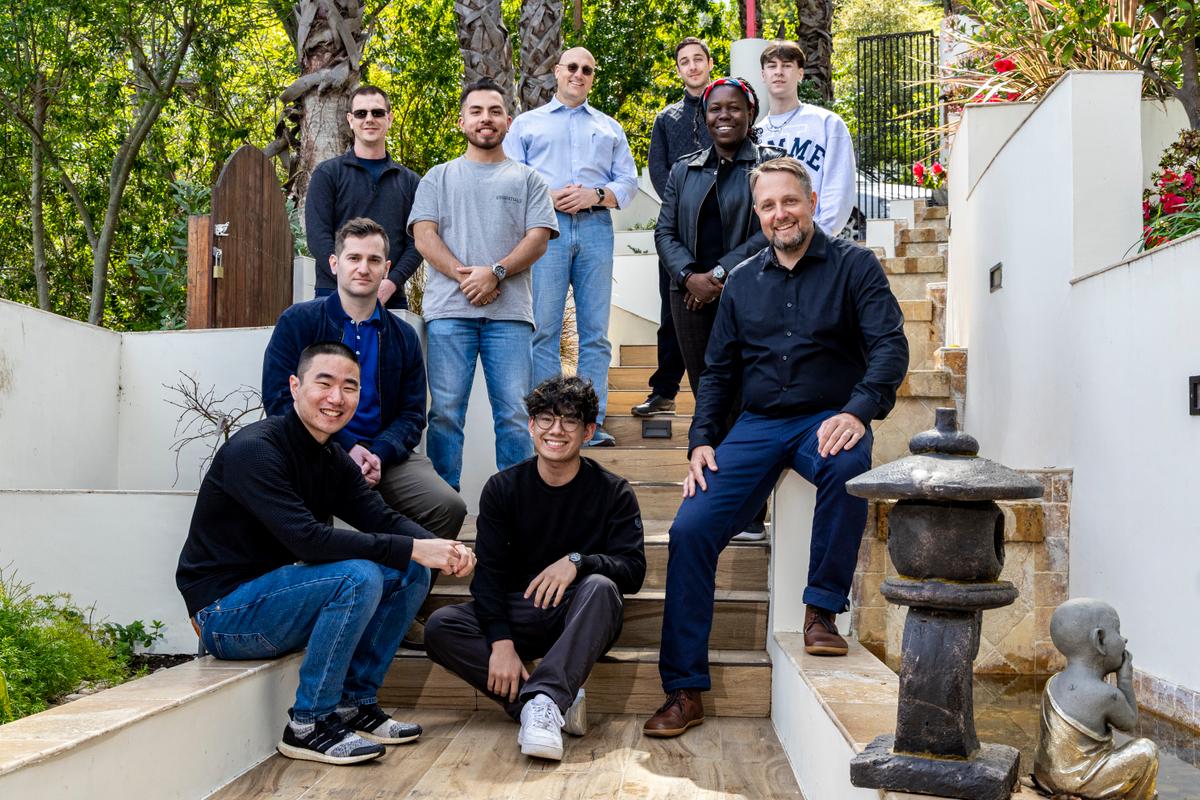
And every year the same quiet feeling got a little louder.
I was leaving everything I was capable of on the table.
My family left Armenia when I was 12 so I could have exactly this.
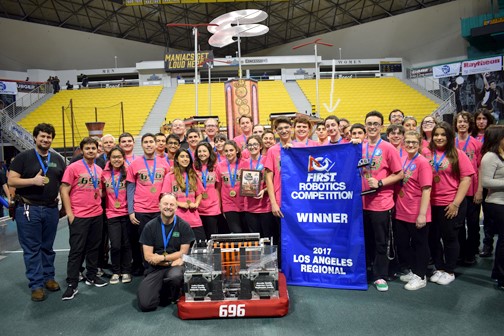
Robotics championship at 16. NASA at 19. ECE degree from UCSD at 21. A senior title before I graduated.
A year later I'm managing a team, flying out to Fortune 500 clients, and my parents are telling everyone back home about it.
And I could not have told you what I'd actually built in those years that still existed.
I shipped it, somebody else sold it, somebody else got the thank you, and two years later it got replaced.
I didn't pick what I worked on or when.
Every year I told myself something would change, and I could see that number going up at 35 and 45 and 55 with nothing else about my life moving.
The part I never said out loud was that I felt ungrateful for even thinking it, because my parents rebuilt their whole lives for this.
If you're a senior engineer you probably know that feeling.
Nothing's wrong, right?
Good job, maybe a family, unlimited PTO as long as you don't actually take more than 3 weeks, a folder of side projects that never saw production, and you've never made a dollar outside of a full-time job.
You've watched people get laid off for no reason. Your name's on the list and goodbye.
You've spent more than one year pulling the weight of people who just don't care as much as you do.
You can code anything, you're just not a salesperson, and switching companies wouldn't fix it because it didn't last time.
What actually woke me up was the invoices.
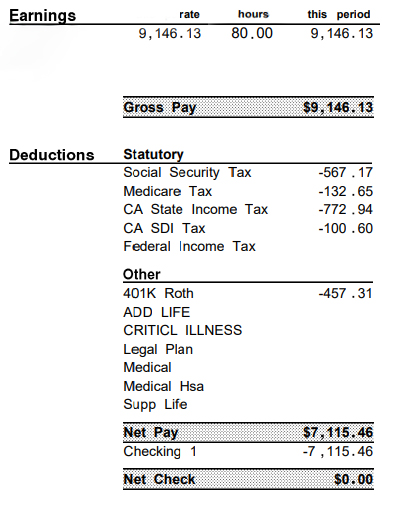
My firm was billing me out at $1,850 an hour and I was seeing about 5 cents on the dollar.
Over $3 million a year off my work, and the people that work helped had never heard my name.
So I quit, and then I did what every engineer does, which is build.
SaaS ideas, side projects, an e-commerce brand, months of it, and nobody showed up to buy any of it.
Months after leaving a $250K job my banking app said $258 (on a Friday, with rent due, if you're wondering how bad it got).
I started calling everyone I knew.
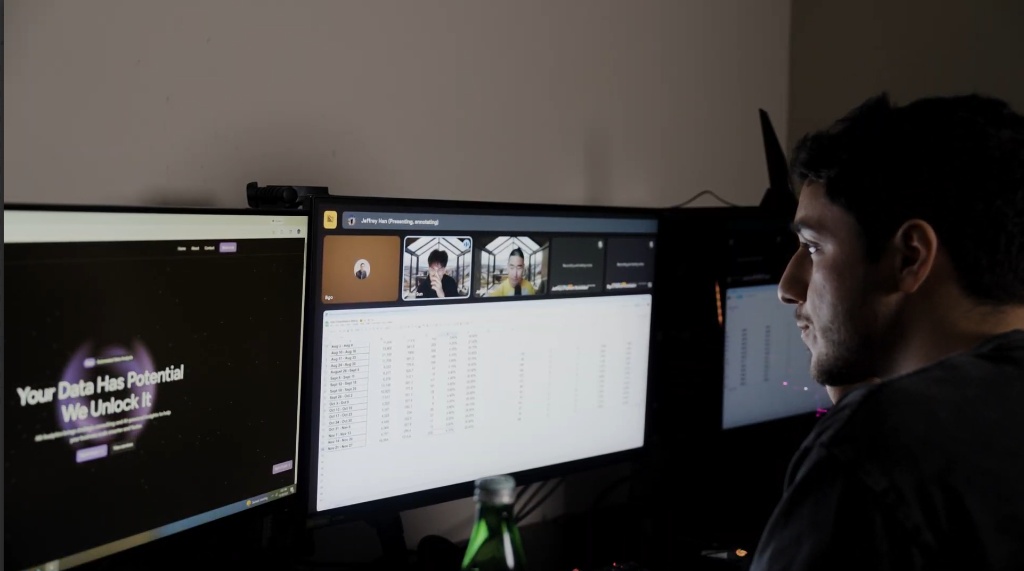
One of those calls was a local business owner I'd done a bunch of free work for.
For the first time in my life I asked someone to pay me for what I could do.
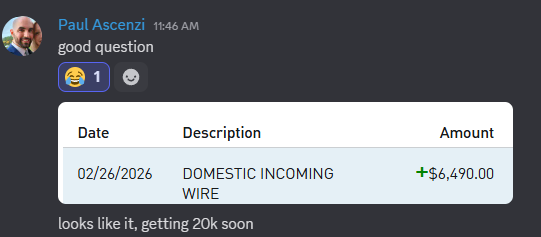
I sat there with $258 in my account and a $16,000 invoice on my screen at the same time.
What I remember isn't the money.
It's that I knew exactly whose problem I'd solved and his business ran better on Monday because of it.
Years of shipping code and I'd never had that once.
I didn't have a revenue problem. I had a model problem.
The money was never behind a product. It was on the other side of a conversation, and so was the part of the work I'd been missing.
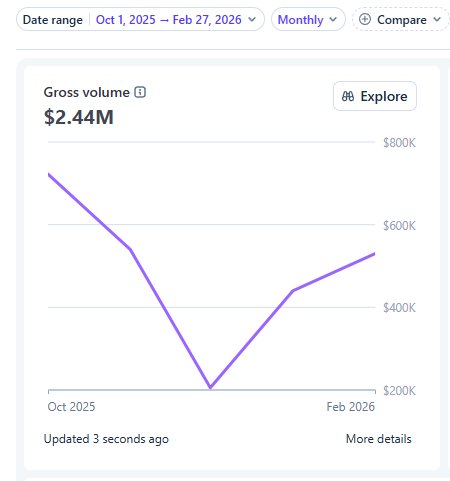
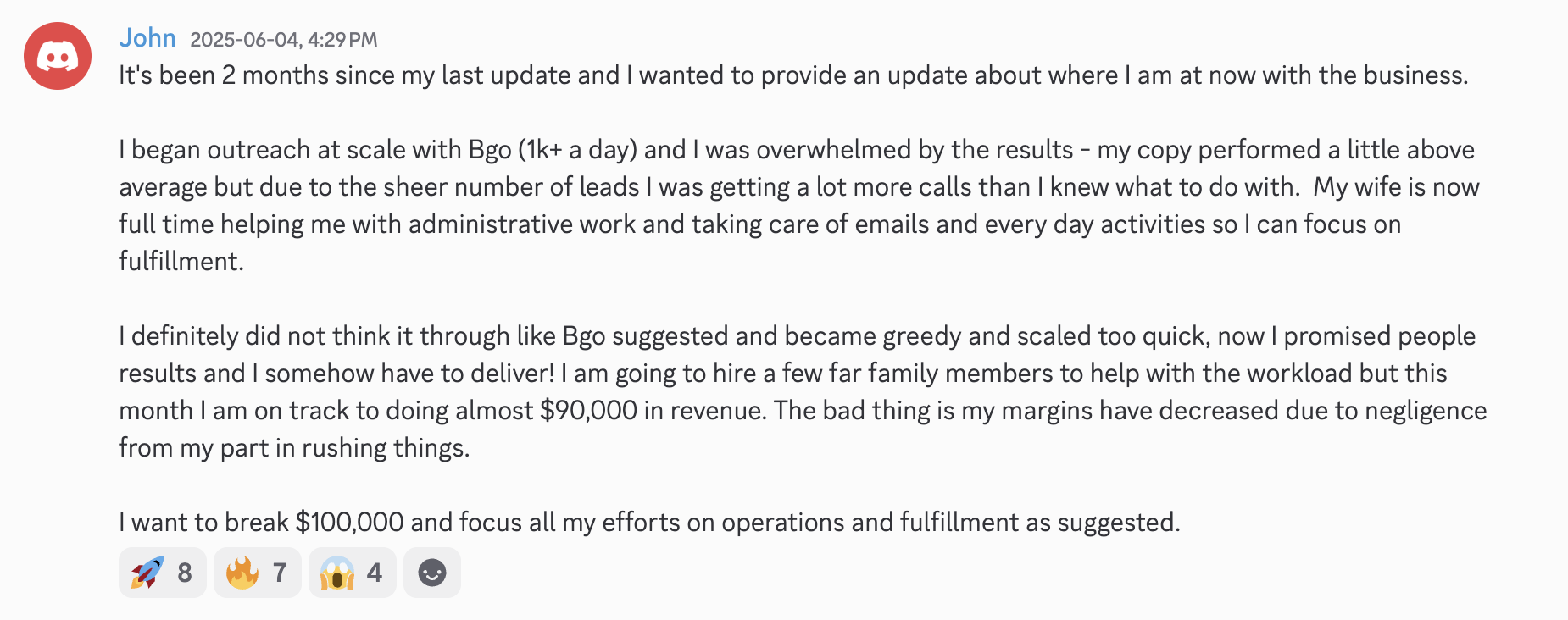
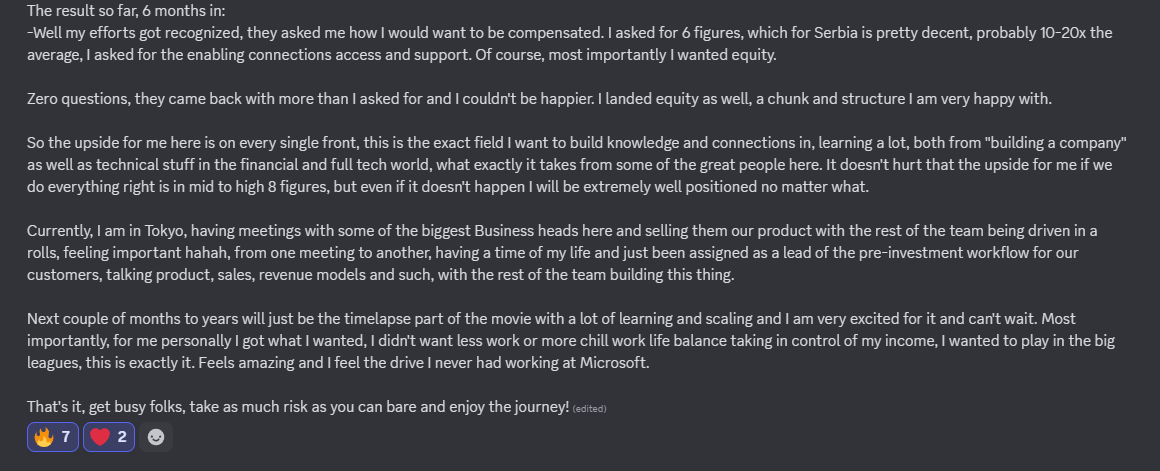
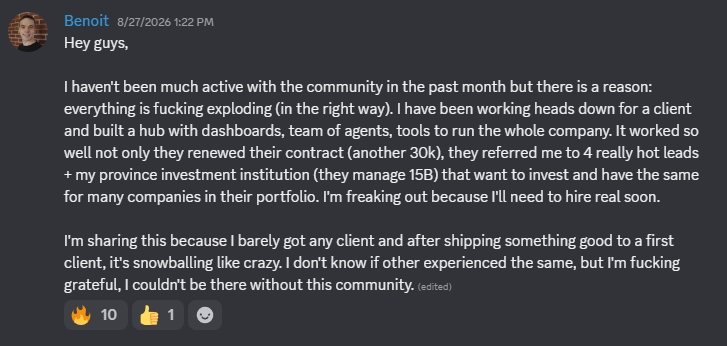
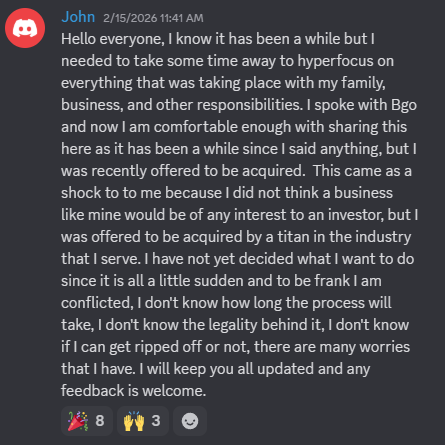
Owning a business is the best decision I've ever made.
Not because of the money, even though the money came. Because I own what I build now. I pick the problems, I pick the clients, and nobody can put my name on a list.
I can see the impact my work has on real people, and I get to help them directly. I don't ask permission to take a vacation. And for the first time, I'm realizing what I'm actually capable of.
Wanting more than the good job was never the mistake. Leaving before I had a client was.
If I'd known then what I know now, I would've landed that $16,000 invoice while the $250K was still coming in.
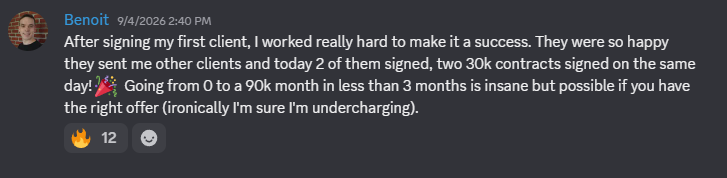
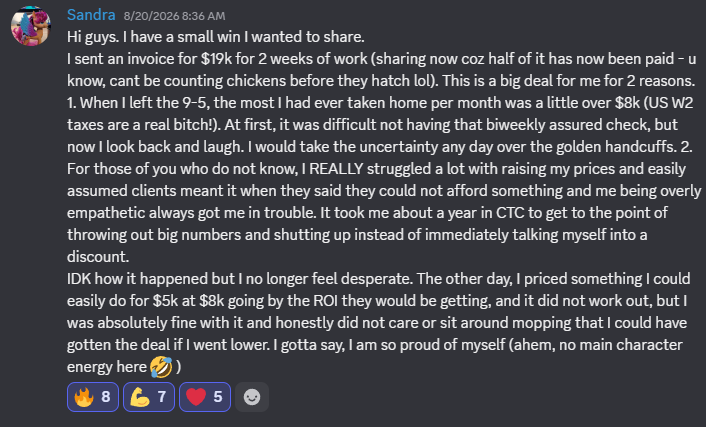
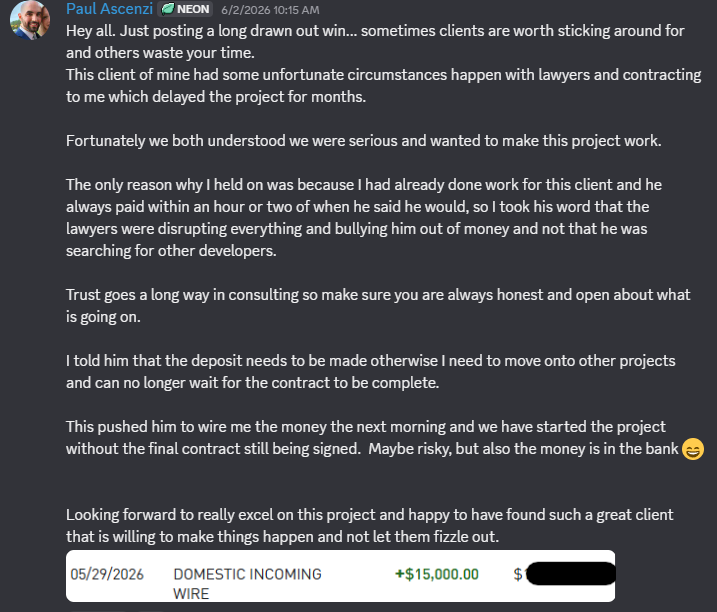
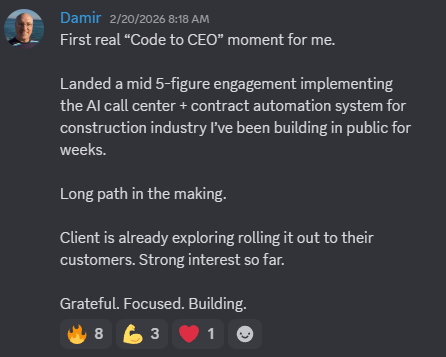
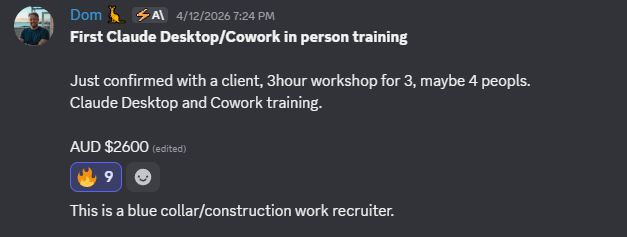
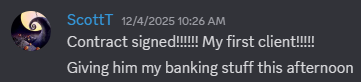
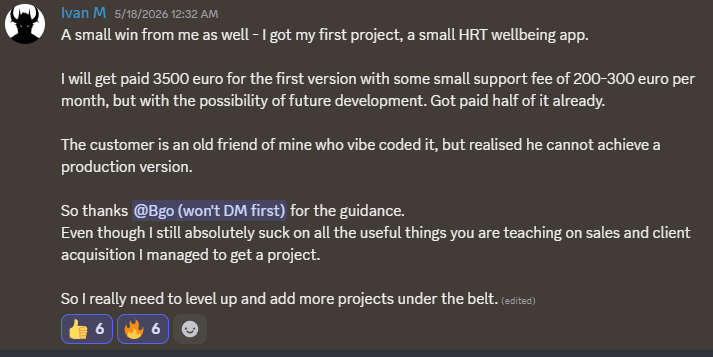
If you're a senior engineer with a paycheck coming in, this path is open to you right now, and you don't have to quit to start walking it.
If you just got laid off, it's open to you too. You have the skills, and you suddenly have the time.





%20(1).png)
%20(1).png)